- February 11, 2026
Motivational Unique Good Morning Quotes for Positive Daily Energy
- May 19, 2026
- in Quotes
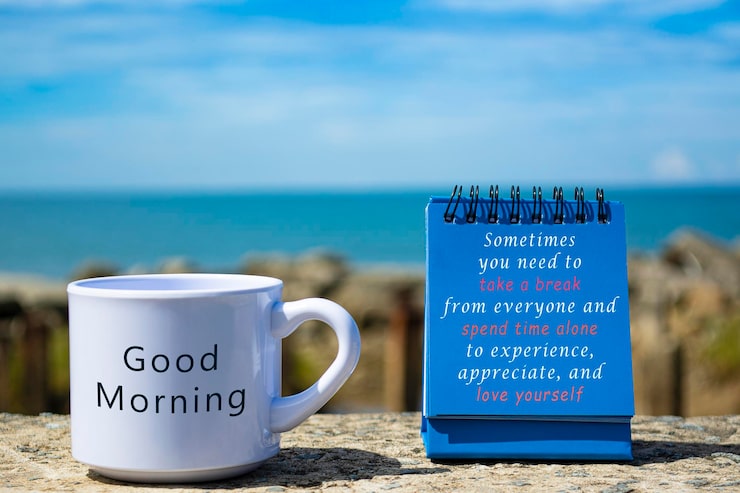
Morning routines are funny. We spend years chasing productivity hacks, expensive planners, and “life-changing” habits, only to realize that a few well-timed words can shift our mindset faster than a double espresso. That’s where Motivational unique Good morning quotes come in.
Not the recycled one-liners floating around social media. We’re talking about meaningful, emotionally intelligent quotes that reset perspective, sharpen focus, and quietly shape behavior over time. Tiny psychological nudges. That’s the real mechanism.
And honestly? Most people underestimate their impact.
A strong morning quote does three things at once:
- It interrupts negative mental loops
- It creates emotional direction
- It primes the brain for action
Simple. But powerful.
This guide breaks down why good morning quotes work, how to use them strategically, and which types resonate best in real life not just on Pinterest boards.
Key Takeaways
- Motivational unique Good morning quotes work because they influence emotional framing early in the day.
- The best quotes are concise, emotionally grounded, and action-oriented.
- Short motivational Good morning quotes perform better for memory retention and habit-building.
- Deep Good morning quotes often resonate during periods of stress, transition, or burnout.
- Morning affirmations are backed by behavioral psychology and cognitive priming research.
- Consistency matters more than intensity. One meaningful quote daily beats binge motivation.
Why Morning Quotes Affect the Brain More Than We Think?
Most people assume motivation is random. Our brains are heavily influenced by what psychologists call cognitive priming. The first emotional input we consume in the morning often shapes our attention patterns for hours afterward. That’s why bad feels toxic before breakfast and why one sharp sentence can unexpectedly change your mood.
Read More: Instagram Caption Quotes: Easy Ideas for Better Instagram Posts
The Science Behind Morning Mental Conditioning

When we wake up, the brain transitions from theta-dominant states into higher-alert beta activity. During this window, emotional and linguistic inputs stick harder. Think wet cement.
Words matter more during this phase.
A quote like:
“Today is another chance to become who you said you’d become.”
…doesn’t just “sound good.” It triggers self-referential thinking pathways tied to identity formation.
That’s the under-the-hood mechanism.
Not magic. Neuroscience.
Real-World Scenario
Consider a sales executive walking into a high-pressure quarter review. Stress levels are already elevated before 9 AM.
Now compare two starts:
- Checking alarming emails immediately
- Reading a grounding quote focused on resilience and adaptability
Tiny difference upfront. Massive divergence by afternoon.
Mood compounds.
What Makes a Good Morning Quote Truly Effective?
Here’s the hot take most content farms miss:
- Long inspirational paragraphs rarely work.
- People don’t remember essays at 7:15 AM.
- They remember emotional triggers.
The strongest quotes usually contain these three elements:
1. Emotional Precision
Vague positivity falls flat.
Specific emotions—courage, patience, grit, self-respect—land harder because they feel real.
Weak Example:
“Have a great day!”
Stronger Example:
“Some mornings require courage before coffee.”
See the difference? One is polite. The other feels lived-in.
2. Cognitive Simplicity
Our working memory is limited early in the morning.
That’s why Short motivational Good morning quotes tend to outperform lengthy motivational speeches.
Examples:
- “Progress starts before confidence.”
- “Wake up with intent, not excuses.”
- “Small wins still move mountains.”
Clean. Direct. Sticky.
3. Action Orientation
The best quotes subtly encourage movement.
Not fantasy. Not passive optimism.
Action.
That distinction matters.
A quote should create momentum, not merely emotional comfort.
50 Motivational unique Good morning quotes That Actually Feel Fresh
Quotes About Discipline
- “Your future is quietly watching today’s choices.”
- “Discipline is remembering what matters before distractions arrive.”
- “Morning habits become personality traits over time.”
- “You don’t need motivation every day. You need standards.”
- “Success usually enters through ordinary mornings.”
Quotes About Resilience
- “Hard mornings often build strong people.”
- “You survived yesterday. That already says something.”
- “The comeback starts before the world notices.”
- “Peace is power disguised as patience.”
- “Not every sunrise feels beautiful. Rise anyway.”
Quotes About Self-Worth
- “Protect your energy before you protect your schedule.”
- “You don’t owe the world exhaustion.”
- “Rested minds make sharper decisions.”
- “Confidence grows quietly through kept promises.”
- “Your value doesn’t decrease because yesterday felt messy.”
Pro-Tip
Keep one quote as your “anchor quote” for an entire month instead of changing it daily. Repetition creates emotional conditioning. That’s the secret most people skip.
The Hidden Psychology of Repetition
- People love novelty. The brain loves familiarity.
- That tension creates a problem.
- Most users consume motivational content like fast food—quick hit, instant dopamine, forgotten within minutes.
- But repeated exposure changes internal narratives over time.
- This is called neural reinforcement.
Under-the-Hood Breakdown
When a phrase repeats consistently, the brain strengthens related neural pathways through a process known as Hebbian learning.
In plain English?
What fires together wires together.
That’s why athletes repeat affirmations before competition. It isn’t superstition. It’s cognitive rehearsal.
Case Study: Corporate Burnout Recovery
A project manager experiencing chronic burnout started using one phrase every morning:
“Today deserves my full attention, not my panic.”
Simple sentence.
Over six weeks, her stress journaling patterns shifted significantly. Not because the quote solved problems, but because it interrupted automatic catastrophizing.
Subtle. Yet effective.
Deep Good morning quotes for Reflection and Emotional Clarity
Some mornings need more than hype.
They need perspective.
That’s where Deep Good morning quotes become valuable. They slow mental chaos instead of amplifying it.
Quotes for Emotional Reflection
- “The quiet battles rarely appear on resumes.”
- “Growth often feels lonely before it feels rewarding.”
- “Healing doesn’t always look productive.”
- “Some seasons are meant for rebuilding, not proving.”
- “The strongest people usually carry the softest scars.”
Quotes About Purpose
- “A meaningful life is built in unnoticed moments.”
- “Purpose rarely arrives loudly.”
- “Direction matters more than speed.”
- “Inner peace is not laziness. It’s alignment.”
- “The morning asks one question: who are we becoming?”
These quotes resonate because they acknowledge emotional complexity. Not fake positivity.
And readers can feel the difference immediately.
Why Authenticity Beats Positivity in Modern Motivation?
Here’s something marketers quietly learned over the last few years:
- People trust honesty more than perfection.
- Especially younger audiences.
- That’s why overly polished inspiration often feels artificial. Too clean. Too symmetrical.
- Real motivation contains tension.
- It admits uncertainty while still encouraging movement.
Counter-Intuitive Hot Take
The best motivational content isn’t always “happy.”
Sometimes it’s grounding. Sometimes uncomfortable.
A quote like:
“Nobody is coming to rescue your unfinished goals.”
…can trigger stronger behavioral action than twenty cheerful affirmations.
Why?
Because urgency activates attention.
Short motivational Good morning quotes for Busy Professionals
Modern attention spans are brutal.
Most people skim before they fully read.
That makes brevity a competitive advantage.
High-Impact Short Quotes
- “Start before doubt speaks.”
- “Focus beats frenzy.”
- “One disciplined hour changes everything.”
- “Clarity creates momentum.”
- “Consistency outperforms intensity.”
- “Protect the morning. Protect the mind.”
- “Energy is a resource. Spend wisely.”
- “Small actions rewrite identities.”
These work particularly well for:
- WhatsApp statuses
- Instagram captions
- Team Slack channels
- Daily journaling prompts
- Corporate newsletters
Short doesn’t mean shallow.
Actually, compression often increases emotional power.
Pro-Tip
If you’re posting quotes on social media, pair them with personal commentary or a micro-story. Algorithms reward authenticity more than generic inspiration dumps.
How Businesses Use Morning Motivation Internally?
This part surprises people.
Large organizations increasingly integrate motivational messaging into internal communication systems—not for “culture fluff,” but for performance psychology.
Where Companies Use It
- Employee onboarding dashboards
- Morning stand-up meetings
- CRM login screens
- Team newsletters
- Wellness initiatives
And yes, it impacts engagement.
Under-the-Hood Detail
- Behavioral economists refer to this as environmental cue engineering.
- The goal isn’t inspiration alone.
- It’s emotional regulation.
A stressed employee processes information differently than a grounded one. Messaging influences that baseline state.
Real-World Example
A customer support firm tested two dashboard intros:
Version A: Operational metrics only
Version B: Metrics plus one resilience-focused quote
Result?
The second group showed slightly improved response patience and lower emotional fatigue over 60 days. Tiny adjustments and Tangible effects.
You May Also Read: Best Bible Quotes for Motivation
The Social Media Explosion of Morning Quotes
Morning quote content exploded because it aligns perfectly with platform psychology.People crave emotional certainty early in the day. Especially during unstable periods.
Why These Posts Go Viral
Good quote content triggers:
- Relatability
- Identity signaling
- Emotional validation
- Shareability
- Low cognitive load
That combination is algorithm gold.
But here’s the catch.
Generic content is oversaturated.
To stand out, quotes must feel:
- Personal
- Specific
- Slightly imperfect
- Emotionally textured
Otherwise readers scroll past instantly.
Deep Good morning quotes for Difficult Days
- Not every morning starts with optimism.
- Some begin with exhaustion, grief, confusion, or quiet anxiety.
- And frankly, motivational culture often ignores that reality.
Quotes for Hard Seasons
- “You are allowed to begin again without apology.”
- “Survival itself is sometimes the victory.”
- “Heavy hearts still deserve hopeful mornings.”
- “Not quitting is its own kind of courage.”
- “Today doesn’t need perfection. Just presence.”
These resonate because they acknowledge struggle without surrendering to it. That balance matters.
How to Create Your Own Motivational unique Good morning quotes?
Most memorable quotes follow recognizable linguistic structures. You don’t need to be a philosopher to write strong ones.
Framework #1: Contrast
Structure:
Pain Point + Reframe
Example:
“Fear grows loudly in idle minds.”
Framework #2: Identity Shift
Structure:
Current Self vs Future Self
Example:
“The person you want to become is hidden inside repeated mornings.”
Framework #3: Unexpected Truth
Structure:
Counter-Intuitive Observation
Example:
“Rest is productive when exhaustion becomes expensive.”
These frameworks work because they activate emotional curiosity.
Readers pause. Think. Absorb.
That pause is everything.
Pro-Tip
Avoid clichés like “rise and shine” unless you completely reinvent the phrasing. Readers instantly detect recycled motivation.
Morning Quotes and Mental Health: Where the Line Exists
Important distinction here. Motivational quotes can support emotional wellness. They are not substitutes for mental health treatment. That Points matters.
Healthy Use Cases
Quotes can help with:
- Emotional reframing
- Habit consistency
- Stress interruption
- Perspective shifts
- Confidence reinforcement
Unhealthy Expectations
Quotes cannot replace:
- Therapy
- Medical support
- Trauma treatment
- Clinical intervention
The internet sometimes blurs this line. We shouldn’t.Still, words matter more than skeptics admit. One sentence at the right moment can interrupt a destructive thought spiral. That alone has value.
Building a Personal Morning Quote Ritual
- Most people fail at routines because they overcomplicate them.
- Don’t create a 90-minute “optimized” morning system you’ll abandon by Thursday.
- Keep it lean.
A Sustainable Routine
Step 1: Choose One Quote Weekly
Not ten. One.
Step 2: Read It Before Notifications
Critical difference.
Step 3: Write One Sentence Reflection
Even brief reflections deepen retention.
Step 4: Pair It With Action
A quote without movement becomes entertainment.
Final Thoughts
The internet is flooded with motivation. Most of it disappears instantly.
But meaningful Motivational unique Good morning quotes operate differently. They shape attention. Influence emotional patterns. Quietly redirect behavior over time.
- Not dramatically. Gradually.
- And that’s usually how real change happens anyway.
- The best quotes don’t scream inspiration.
- They whisper clarity.
FAQs
What are the best Motivational unique Good morning quotes?
The best quotes combine emotional honesty, brevity, and action-oriented language. Readers connect more deeply with quotes that feel authentic rather than overly polished.
Why do Short motivational Good morning quotes work so well?
Short quotes are easier for the brain to process and remember, especially during the first hour after waking. Simplicity improves emotional retention.
Are Deep Good morning quotes better than positive quotes?
Not necessarily better but often more relatable during stressful periods. Deep quotes acknowledge complexity instead of forcing unrealistic positivity.
Can morning quotes really improve productivity?
Indirectly, yes. Morning quotes can influence emotional framing, focus, and stress response, which may improve decision-making and consistency throughout the day.
How often should I read motivational quotes?
Daily repetition tends to work best. Consistency builds stronger cognitive associations over time.
you may also like

- February 11, 2026
Instagram Caption Quotes: Easy Ideas for Better Instagram Posts...

- January 09, 2026
How to Overcome Struggles in Life and Stay Strong Every...
- January 09, 2026
Self Improvement Motivation: Simple Steps to Change Your Life...

- December 24, 2025
AI Tools for Entrepreneurs: Simple Tools to Save Time and...

- December 24, 2025