- June 16, 2026
Best Life Habits for Women Over 40 to Stay Healthy and Strong
- August 14, 2026
- in Life
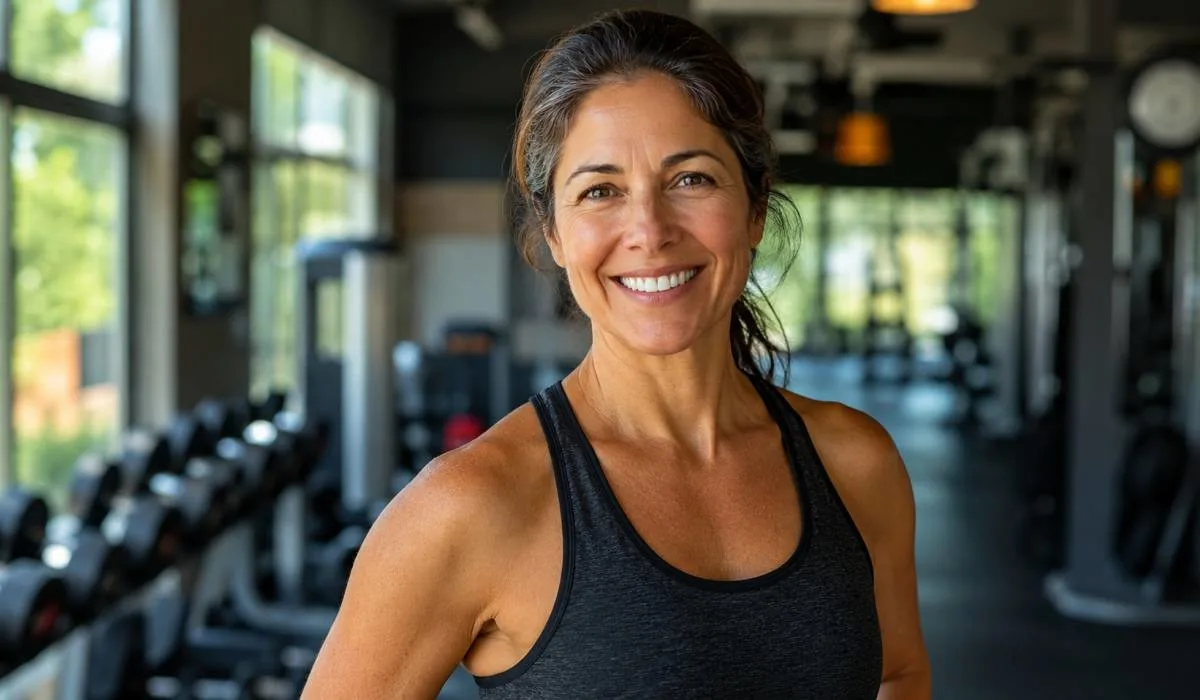
Forty hits different. Your body is unable to "bounce back" the same way it did before. Late night expenses are greater. That extra slice of cake sticks around longer. But here is the thing. This decade is not a downhill slide. It is a chance to get smarter about how you treat yourself.
The best life habits for women over 40 are not complicated. They are about paying attention to what your body actually needs now. Protein matters more. There is no escape from strength training. Sleep is non-negotiable. These are not punishments. It's a series of small, incremental changes that will help you stay feeling strong, full of energy and yourself. Your 40s can be your best years. You just have to show up for them.
Why Your 40s Are Different?
Your body goes through real changes in this decade. Understanding them helps you make better choices.
Metabolism Slows Down
Women lose about half a pound of muscle per year starting around age 40 . This makes your metabolism slower. You burn fewer calories at rest. Weight gain becomes easier. Much of it shows up around your belly . This is not your fault. It is biology.
Hormones Start to Shift
Your estrogen levels begin to drop. This marks the start of perimenopause . This transition can last two to five years before menopause . You might notice hot flashes, night sweats, mood changes, and irregular periods . Some women also have bladder and pelvic floor changes . These changes are normal. But they do not have to control your life.
Muscle Loss Speeds Up
Women lose muscle mass twice as fast as men after 40 . Most of the loss happens in your core muscles . This affects your posture, balance, and metabolism. That is why strength training becomes so important now.
Read More: Trending Life Quotes for Instagram: Short Captions and Positive Vibes 2026
Nutrition Habits That Work After 40
What you eat matters more than ever. Your body needs different fuel now.
Eat Protein at Every Meal

Protein is non-negotiable after 40. It supports muscle repair and growth . It also keeps you full. The target is about 0.7 to 1 gram of protein per pound of body weight each day . For a 150-pound woman, that is 105 to 150 grams of protein daily .
Good protein sources include:
- Lean meats like chicken and fish
- Eggs
- Lentils and beans
- Greek yoghurt
- Tofu and soy products
- Protein powders
Build every meal around protein first. Put the protein on your plate before anything else . This simple habit helps you reach your target.
Get Enough Calcium and Vitamin D
Declining estrogen increases your risk of bone loss and osteoporosis . Calcium and vitamin D support bone health . Good calcium sources include dairy, ragi, tofu, almonds, and leafy greens . Vitamin D comes from sun exposure. You can also take supplements after talking to your doctor .
Choose Smart Carbohydrates
Your metabolism is slower now. But you still need carbs for energy. Choose low-glycemic options. These include sweet potatoes, oats, quinoa, brown rice, and berries . These give you steady energy without blood sugar spikes.
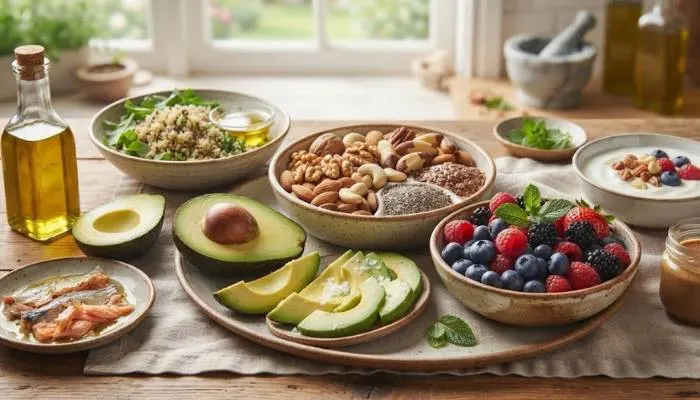
Eat Healthy Fats
Healthy fats support your hormones . They also reduce inflammation. Good sources include:
- Avocados
- Nuts and seeds
- Flaxseeds
- Walnuts
- Fatty fish like salmon
Omega-3s from fish and flaxseeds are especially helpful for hormone balance .
Stay Hydrated
Dehydration affects your energy, skin, and joint flexibility . Aim for at least three litres of water daily . Coconut water and herbal teas are good options too.
Eat More Fibre
Fibre keeps you full and supports digestion. It also helps you eat less . Aim for 25 grams of fibre each day . Berries, whole grains, nuts, and vegetables are great sources.
Fitness Habits That Transform Your Body
Exercise is not just about burning calories. It is about building a body that works well for decades to come.
Strength Train Two to Three Times a Week
Strength training is not optional after 40. As estrogen drops, your body needs a signal to hold onto muscle . Strength training is that signal . Without it, your body treats muscle as expensive and starts offloading it .
Focus on compound exercises. These work multiple muscle groups at once. Squats, deadlifts, rows, and chest presses give you the biggest return on your time . Two to three sessions per week are enough to see real changes .
Walk Every Day
Walking is one of the simplest and most effective habits. It supports heart health, bone density, and mood . Aim for 30 minutes of movement daily . A mix of walking, strength work, and stretching works well .
Mix in Cardio
Cardio keeps your heart healthy. Walking, jogging, cycling, or swimming are all good choices . But do not rely on cardio alone. Too much cardio and too little strength training can work against you. It may lead to muscle loss .
Listen to Your Body
Recovery is not optional. Your body needs rest to repair and grow . Sleep is especially important. Aim for 7 to 9 hours of quality sleep each night . A cooler room, lighter bedding, and less screen time before bed can help .
Health Screenings and Check-Ups
Regular check-ups help you catch problems early. Do not skip them.
Yearly OBGYN Exams
Keep your yearly exams with your gynecologist . This decade is a common time to develop cervical cancer. Routine screening is important. This includes a pap smear every three years or a pap with HPV testing every five years .
Mammograms
Schedule a yearly breast exam and mammogram starting at age 40 . This is essential for early detection.
Know Your Numbers
Check your blood pressure and cholesterol regularly . These numbers affect your heart health. High blood pressure and cholesterol increase your risk of heart disease and stroke.
Bone Density Tests
Ask your doctor about bone density testing . This helps assess your risk of osteoporosis. It is especially important as estrogen declines.
Colorectal Cancer Screening
Stay on top of colorectal cancer screening . Talk to your doctor about when to start and how often to get tested.
Managing Perimenopause Symptoms
Perimenopause affects many women in their 40s . You do not have to suffer in silence.
Watch for Symptoms
Common symptoms include hot flashes, night sweats, mood changes, irregular periods, and decreased libido . Some women also notice bladder and pelvic floor changes . If symptoms interfere with your daily life, talk to your doctor.
Cooling Strategies
Nighttime overheating can disrupt sleep. Try breathable layers, a fan, or keeping water nearby . These simple strategies can make a difference.
Talk to Your Doctor
If lifestyle changes are not giving you enough relief, medical options may help . Hormone replacement therapy is one option. But it is not for everyone . Your doctor can help you decide what is right for you.
Mental Health and Self-Care
Your mental health is just as important as your physical health. Do not ignore it.
Manage Stress
Stress can make symptoms feel sharper . Yoga, meditation, and breathwork can help . Even a few minutes a day makes a difference. These tools are practical, not fluffy .
Monitor Your Mood
Depression or anxiety can strike during perimenopause . Do not brush it off. Talk to your doctor if you feel overwhelmed, depressed, or anxious . They can prescribe medication or refer you to a therapist .
Build Social Connections
Talking with friends or a trusted group can make you feel less alone . Sometimes the most useful support is simply hearing "Yes, that sounds familiar" . Connection matters for your wellbeing.
Practice Self-Care
Make time for yourself. It is easy to focus on everyone else and let your own wellbeing slide . But self-care is not selfish. It is essential.
You May Also Read: How to Overcome Struggles in Life and Stay Strong Every Day

Habits to Avoid
Some habits work against you after 40. Let them go.
Skipping Annual Check-Ups
Preventive screenings are not optional . Routine assessments tell you if there is anything to worry about. Do not wait for symptoms.
Relying on Restrictive Diets
Crash diets cause muscle loss . Nutrition built on deprivation is not sustainable . Whole foods define long-term wellness.
Ignoring Symptoms
Do not ignore symptoms until they disrupt your function . Seek help before problems get worse. Delayed diagnosis can mean harder recovery.
Treating Sleep as Negotiable
Sleep is not passive . It repairs, regulates, and protects multiple systems in your body. Treat it as non-negotiable.
Overestimating Exercise Intensity
You do not need punishing workouts . Walking, stretching, and mobility work all count. Consistency matters more than intensity.
FAQs
1. What are the best health tips for a 40-year-old woman?
Focus on eating enough protein, strength training two to three times a week, getting quality sleep, and staying on top of health screenings. Protein supports muscle maintenance. Strength training gives your body a reason to hold onto muscle. Regular check-ups help you catch issues early .
2. How can I be healthy at 40 as a woman?
Build simple, sustainable habits. Eat a balanced diet with protein, fibre, and healthy fats. Exercise regularly. Get 7 to 9 hours of sleep. Manage stress. Stay on top of health screenings. Drink enough water. And do not skip your yearly check-ups .
3. How can I transform my body after 40 as a female?
Focus on building muscle, not just losing weight. Eat enough protein. Strength train two to three times a week. Your body needs protein and strength training to maintain muscle. Muscle supports your metabolism, posture, and long-term health . Stop chasing a lower number. Start building a stronger body .
4. Why is protein so important for women over 40?
Protein supports muscle repair and growth. Women lose muscle mass as estrogen drops . Protein gives your body the building blocks it needs to maintain muscle. This supports your metabolism, bone density, and independence as you age .
5. What health screenings do women need in their 40s?
Women in their 40s should have yearly OBGYN exams and mammograms starting at age 40. They should also check blood pressure and cholesterol regularly. Bone density tests and colorectal cancer screening may also be recommended .
6. How can I manage perimenopause symptoms?
Watch for symptoms like hot flashes, night sweats, and mood changes. Use cooling strategies for nighttime overheating. Talk to your doctor if symptoms interfere with your daily life. Medical options may be available .
7. How much should I exercise in my 40s?
Aim for 30 minutes of movement daily. Include cardio, strength training, and stretching. Strength training two to three times a week is essential. Walking daily also supports heart health and bone density .
8. What should I eat for bone health in my 40s?
Eat foods rich in calcium and vitamin D. Good sources include dairy, ragi, tofu, almonds, leafy greens, and fatty fish. Sun exposure also helps with vitamin D. Supplements are an option if levels are low .
you may also like




- April 07, 2026