- December 09, 2025
16 Diseases You Should Take More Seriously: Health Risks
- September 25, 2026
- in Motivation
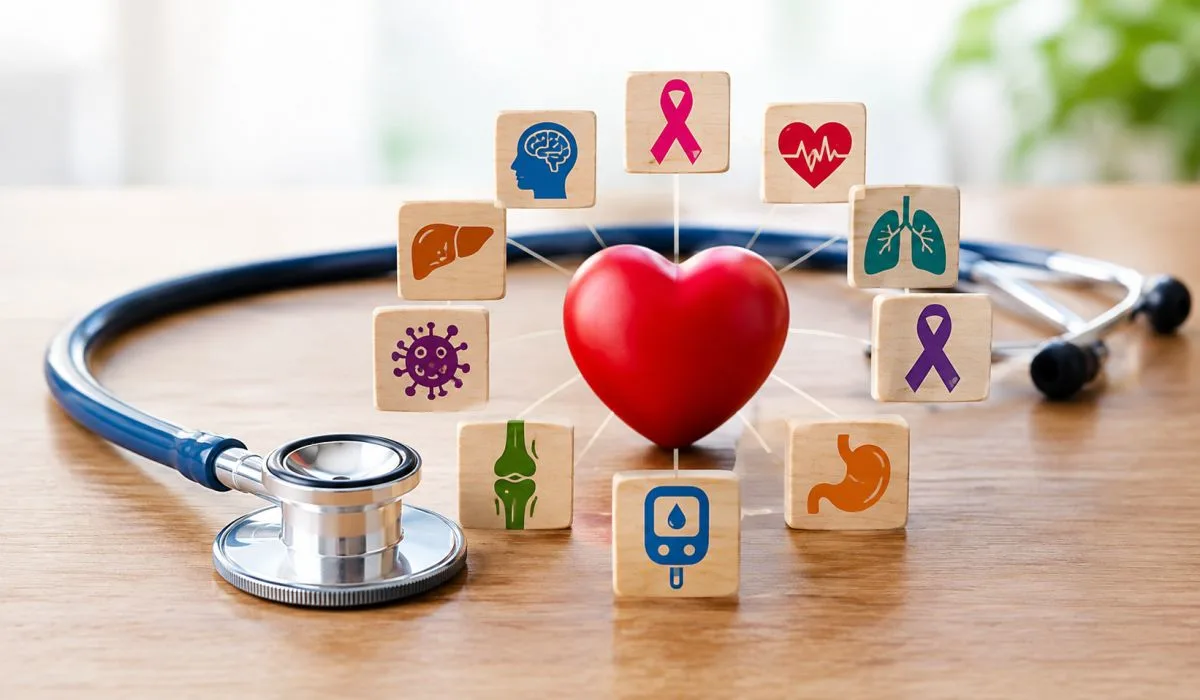
A few health issues can be overlooked due to soft or unusual symptoms, or because the symptoms may be hard to recognize. Some diseases, however, can develop into serious condition if not diagnosed and treated properly. 16 diseases you should take more seriously include conditions that can affect the heart, liver, nervous system, mental health, bones, teeth, and other parts of the body.
Some will be gradual, others will present with permanent side effects. Having knowledge of these conditions can help them realize that they are in danger and should receive proper medical attention. Each disease is worthy of proper medical attention and awareness ranging from chagas disease, hemochromatosis, depression, polio, tooth ailment, to schizophrenia.
16 Diseases That Should Not Be Overlooked
Some diseases may seem uncommon or harmless at first, but they can cause serious health problems if ignored.
Here are 16 conditions that deserve greater awareness, timely diagnosis, and proper medical care.
Kissing bug disease (Chagas disease)
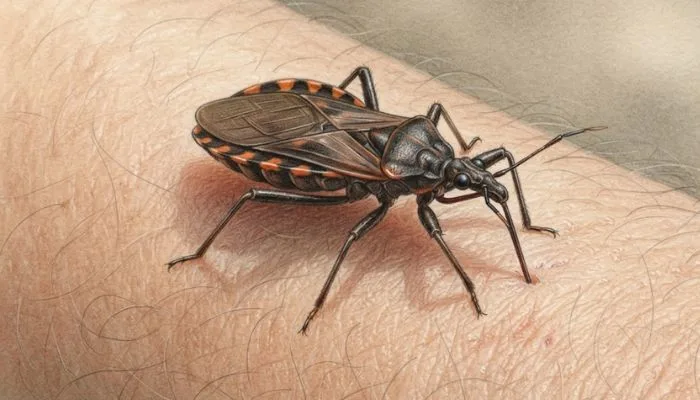
Chagas disease is an infection caused by a parasite, Trypanosoma cruzi, which the bite of an insect commonly known as the "kissing bug" transmits. Though most cases occur in Latin America, reported instances of the disease have emerged in the U.S. and other locations.
Chagas disease can go unnoticed for years, but it can cause serious conditions affecting the heart, including heart failure, abnormal heartbeats or arrhythmias, or even disorders of the digestive system.
Read More: Best Motivational Podcasts for 2026: Top Shows for Growth and Success
Hemochromatosis
Hereditary hemochromatosis (HH) affects an estimated one million Americans and is one of the most common hereditary conditions. Yet the world outside of the 200 patients and three doctors who made the discovery remains virtually unaware of the condition.
HH results from an overload of iron that destroys tissue and may result in cirrhosis of the liver, liver cancer, heart problems, arthritis and diabetes.
Gilles de la Tourette syndrome
Gilles de la Tourette syndrome - commonly called Tourette's - affects people by causing them to make involuntary sounds and movements, called tics. There are two types: motor and vocal. For one teenager, the severity of his condition forced him to use a wheelchair because he would fall down when his legs gave out while having a tic.
It affects 1 out of 162 children in the U.S. - but only 1 out of 360 doctors have diagnosed them, so nearly half don't receive the treatment that can help them control their tics.
Endometriosis
What is endometriosis? Endometriosis is a "gynecological disorder… 'in which tissue resembling the tissue that normally lines the inside of [the] uterus-the endometrium-grows outside [the] uterus." It is a very painful disorder that affects as many as 10 percent of women between the ages of 25 and 40 in the US.
Doctors most often treat endometriosis with medication (pain medication or hormone therapy) or with laparoscopic surgery.
Dyslexia
The learning disability most known by anyone who has experienced it is reading difficulties, also known as Dyslexia - which is thought to affect one out of every five people.
Dyslexia, as explained by Yale Center for Dyslexia and Creativity, is said to be caused when you find the appreciation of individual sounds of spoken language, or phonological processing, hard. But, what you might not know is that it can also impact memory, concentration and organizational skills.
Depression
Depression is a complex disease, according to WebMD, and while researchers do not precisely know the cause, many factors can lead to depression such as an illness, grief over the death of a loved one, personal problems in life, and genetics. Five percent of adults suffer from depression at any one time, which makes it a "leading cause of disability worldwide" and a "major contributor to the overall global burden of disease."
Although mental health awareness is becoming more prominent, society still does not take depression seriously and often overlooks it, with about three hundred million people in the world suffering from depression, but less than fifty percent of those individuals receive treatment, says Stanford Medicine.
Scleroderma
Scleroderma or systemic sclerosis is a long-term disease that replaces normal tissue with a thick tissue of extra collagen. This tissue makes the skin hard and tight. Internally, it can affect the blood vessels, organs, and gastrointestinal tract.
Scleroderma is rare, with an estimated 300,000 Americans having the disease. It also causes the death of 10,000 Americans a year.
You May Also Read: How to Get Motivated Without Caffeine: Real Ways That Work

Poliomyelitis
Yes, vaccines have eradicated the threat of the polio virus, with cases down 99 percent since 1988. But that doesn't mean we shouldn't be worried. According to the WHO, "the poliovirus can easily invade a polio-free country and can spread rapidly amongst unimmunized populations." And unlike other viruses, such as the flu, there is no cure for a disease that can leave people with permanent disabilities and even kills some victims.
Tooth decay
It may not seem like a big deal, but by the time you have decay, you may develop all sorts of issues down the road such as tooth pain, difficulty eating, broken or damaged teeth, and abscessed teeth that may "lead to more serious or even life-threatening infections," says the Mayo Clinic. To avoid the cavity-causing bacteria, avoid sweets and brush with fluoride toothpaste twice a day.
Schizophrenia
While it isn't as widespread as many other mental diseases, with around one in 300 people experiencing it worldwide, schizophrenia remains one of the most debilitating. "Few conditions cause as much concern amongst the public, press and physicians as schizophrenia," a report published in the BMJ states.
"Despite the existence of effective treatment, many people with schizophrenia and their families find it difficult to obtain adequate care."
FAQs
1. What are some diseases that people often overlook?
Conditions such as Chagas disease, hemochromatosis, endometriosis, scleroderma, and tooth decay can sometimes be overlooked or underestimated despite their potential complications.
2. Can Chagas disease cause serious health problems?
Yes. Chagas disease can remain unnoticed for years and may eventually cause heart problems, abnormal heart rhythms, heart failure, or digestive complications.
3. Why should endometriosis be taken seriously?
Endometriosis can cause significant pain and may affect daily activities and quality of life. Medical treatment can help manage symptoms and complications.
4. Is tooth decay really a serious health concern?
Untreated tooth decay can cause pain, difficulty eating, damaged teeth, and dental infections. In severe cases, an infection can become more serious.
5. Why is early diagnosis important for serious diseases?
Early diagnosis can help healthcare professionals identify the condition, manage symptoms, reduce complications, and determine appropriate treatment or monitoring.
you may also like


- November 17, 2025
Best Bible Quotes for Motivation

- November 17, 2025
How Do You Motivate Your Team Interview Question: Complete Guide...

- November 06, 2025
Best Motivational Podcasts for Men to Stay Inspired Every Day...

- October 24, 2025
Top Social Entrepreneurship Ideas for Students...

- October 07, 2025